Health and prognosis
Medical history, medicines, smoking, gum health, decay, infection and the prognosis of the existing tooth are assessed before extraction is proposed.

Preserve where possible. Replace when necessary.
Replacing one missing or failing tooth with a restoration planned around health, function, appearance and long-term maintenance
A natural tooth should be retained where it has a reasonable, maintainable prognosis. When a tooth is already missing or cannot predictably be repaired, a single implant may support an independent crown without preparing the adjacent teeth. Suitability, timing and the temporary tooth arrangement are determined only after assessment.
A documented treatment journey
In this selected UR4 case, the tooth was removed, an implant and localised socket-gap graft were placed, and a temporary implant crown was fitted on the day of surgery. The definitive crown followed after three months of healing.
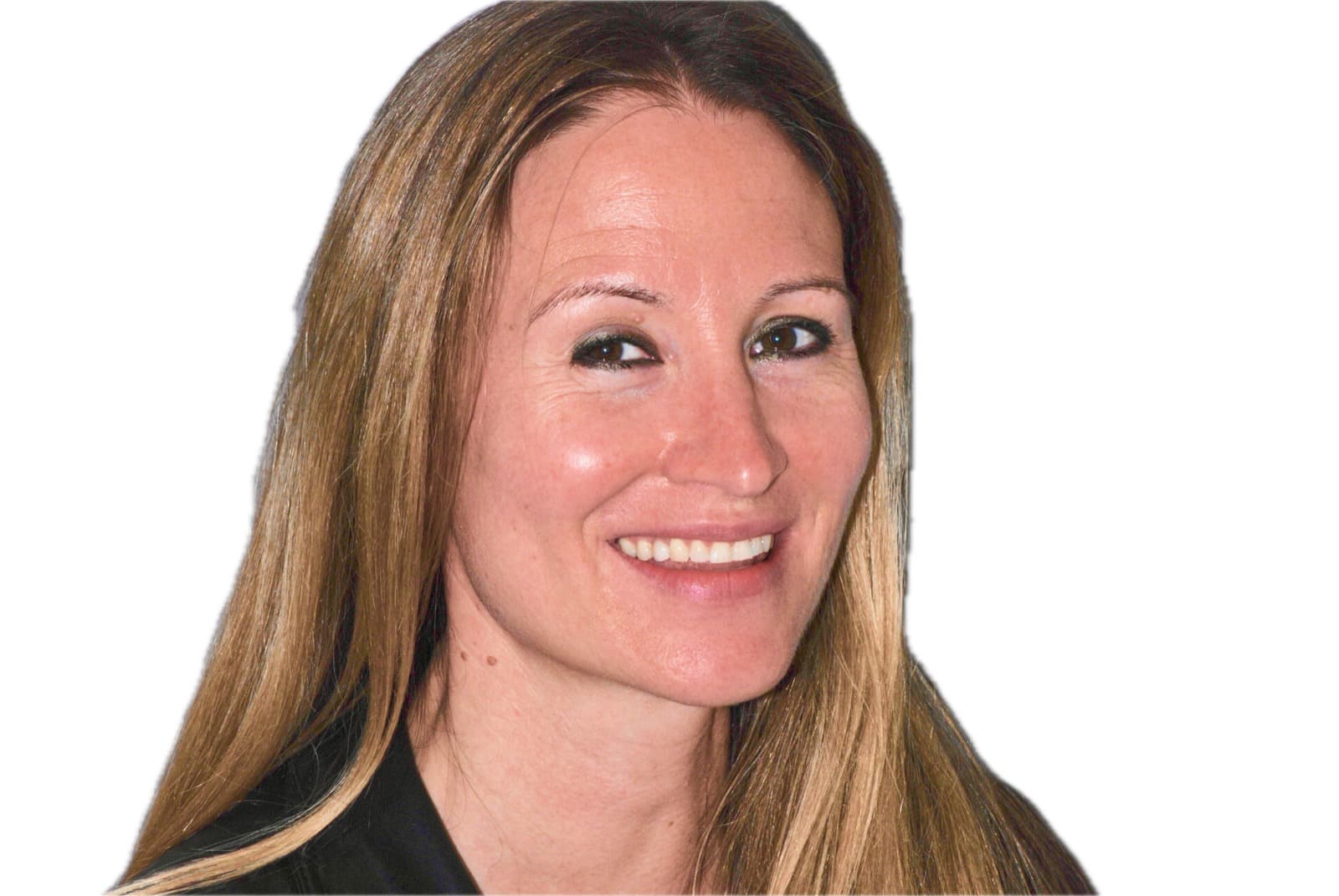
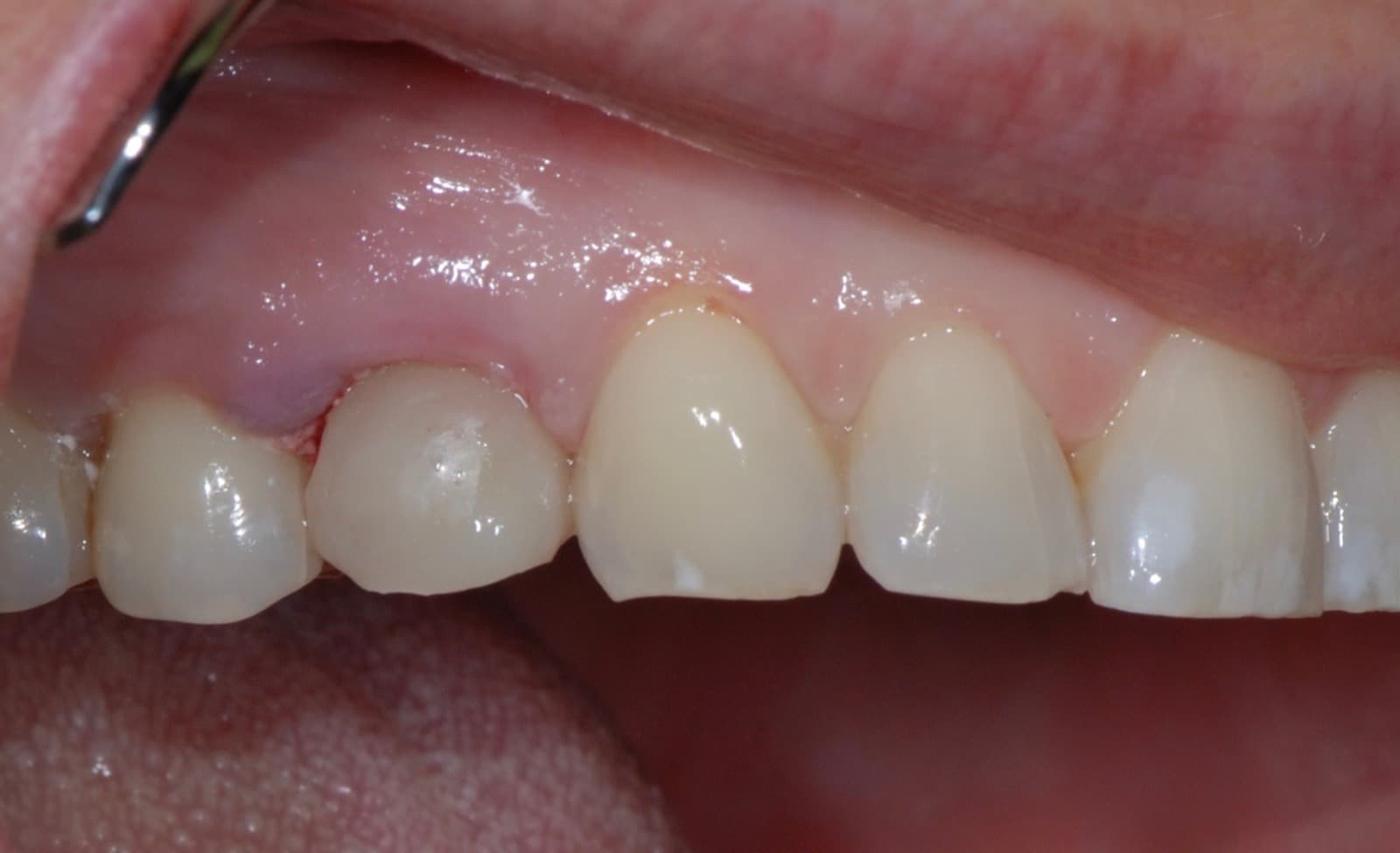
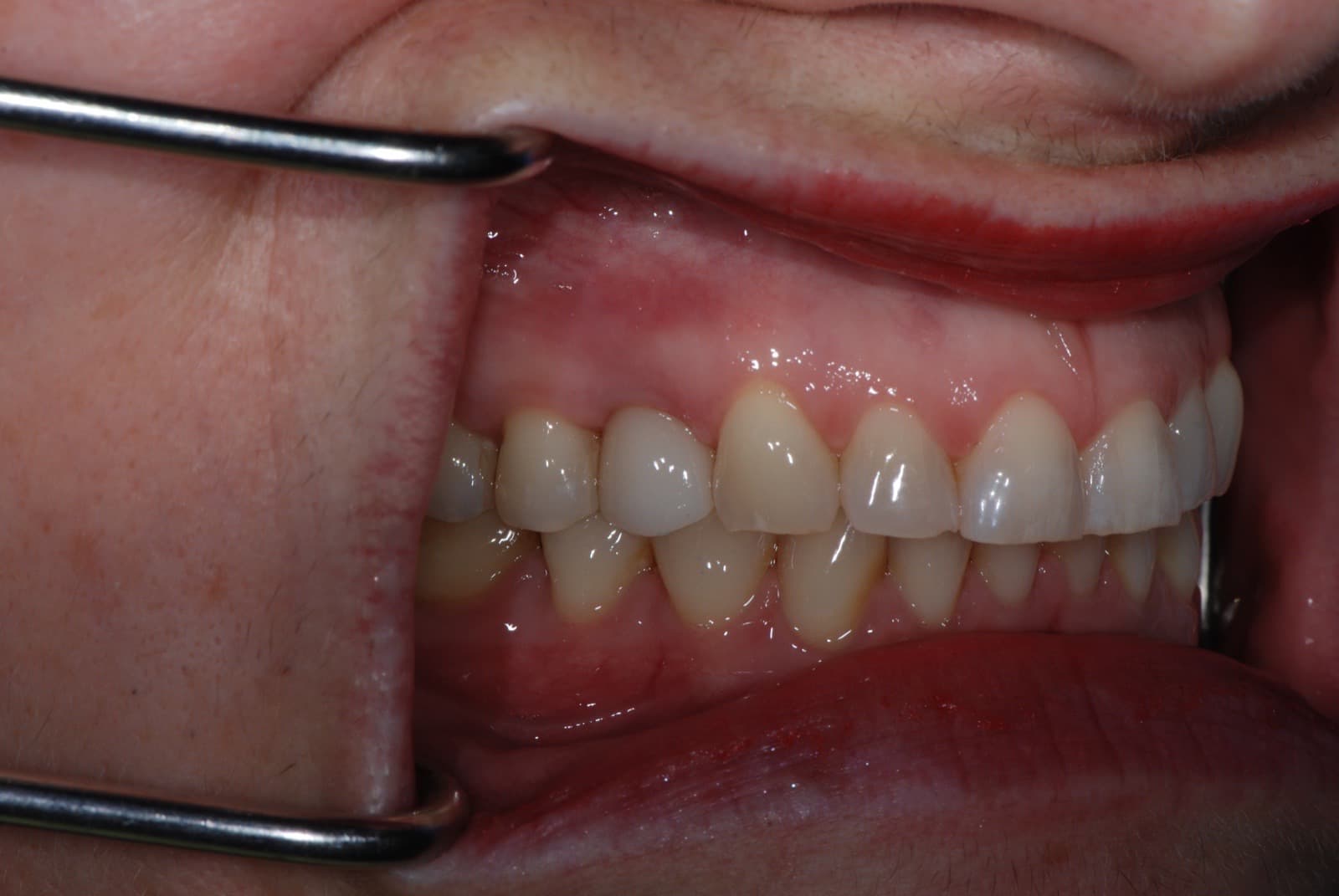
This is one patient's documented treatment and does not show a typical result or predict another patient's outcome. Clinical images are shown with consent.
The first decision
An implant is a replacement for a missing or non-maintainable tooth, not an automatic improvement on a natural tooth. The examination considers the remaining tooth structure, previous root-canal treatment, fractures, gum and bone support, symptoms, bite forces and whether a restoration can be cleaned and maintained.
Where prognosis is acceptable, root-canal or restorative treatment may be the more conservative choice. When retention is not predictable, the reasonable alternatives—including a bridge, removable denture or accepting the space—are discussed alongside implant treatment.
Assessment and planning
Medical history, medicines, smoking, gum health, decay, infection and the prognosis of the existing tooth are assessed before extraction is proposed.
Clinical examination and radiographs assess the extraction socket, available bone, gum contours, neighbouring teeth, restorative space and biting forces.
CBCT imaging is used when clinically justified. Digital scanning and guided placement may help relate the implant position to the intended crown and surrounding anatomy.
The use of CBCT, a surgical guide, grafting or an immediate temporary crown is based on individual need; none is a universal requirement.
When is the implant placed?
The most appropriate timing depends on infection, socket anatomy, bone and soft-tissue conditions, restorative priorities and whether the implant can achieve suitable initial stability.
The tooth is removed first and the site is allowed to heal before implant planning or placement proceeds. This staged route may be appropriate where infection, anatomy, soft tissues or the need for bone reconstruction makes immediate placement unsuitable.
The tooth is removed and the implant is placed into the extraction socket during the same appointment. This can reduce the number of surgical stages, but it does not avoid normal bone remodelling and is not suitable for every socket.
In selected cases, an implant with suitable initial stability may support a carefully designed temporary crown on the day of surgery. This is a provisional restoration during healing, not the definitive crown, and biting forces may need to be restricted.
During healing
Temporary arrangements are discussed before extraction. Depending on the tooth position and clinical conditions, a patient may accept the space temporarily, use a removable denture, wear a temporary bridge, or receive a temporary crown connected to the implant.
A same-day implant crown is shaped and managed as a provisional restoration. It may be adjusted to limit pressure during healing and must not be treated as the definitive crown. If stability or other conditions are unsuitable on the day, the temporary plan must change.
From surgery to the definitive tooth
Diagnosis, alternatives, timing, temporary teeth, likely grafting, risks, maintenance and costs are explained before treatment begins.
Where immediate placement is selected, the tooth is removed carefully and the implant is positioned according to the planned final crown.
A localised bone graft may be placed in the gap between the implant and extraction socket wall. It supports healing but cannot prevent all normal tissue remodelling or guarantee an outcome.
The implant, surrounding tissues and provisional restoration are reviewed. Healing commonly takes weeks or months and cannot be assumed from time alone.
After healing and stability have been assessed, a digital scan or impression records the implant and surrounding tissues. The crown may be screw-retained or cement-retained according to the clinical and restorative requirements.
Daily cleaning, professional maintenance and periodic review of the gum tissues, bone levels, bite and restorative components are required for the life of the implant restoration.
Possible surgical problems include pain, swelling, bruising, bleeding, infection, gum recession, loss of graft material, damage to nearby structures and failure of the implant to integrate. A temporary or definitive crown may require adjustment, repair or replacement.
Later complications can include inflammation around the implant, supporting-bone loss, screw loosening, cement-related inflammation, porcelain damage, food trapping and changes in the gum line or neighbouring teeth. Smoking, previous gum disease, inadequate plaque control, some medical conditions and heavy biting or grinding can increase risk.
A biteguard may be recommended where clenching or grinding increases mechanical risk. Recall and professional maintenance intervals are set according to individual risk rather than a single timetable for every patient.
Additional clinical illustration
A fractured, previously root-treated lower-left central incisor (LL1) was assessed as being beyond predictable repair. The tooth was removed and an implant was placed immediately. A localised graft filled the gap between the implant and socket wall.
A temporary removable denture replaced the tooth during two months of healing. After healing and stability had been assessed, treatment proceeded to the definitive implant crown. The final radiograph shown was taken four years after implant placement.
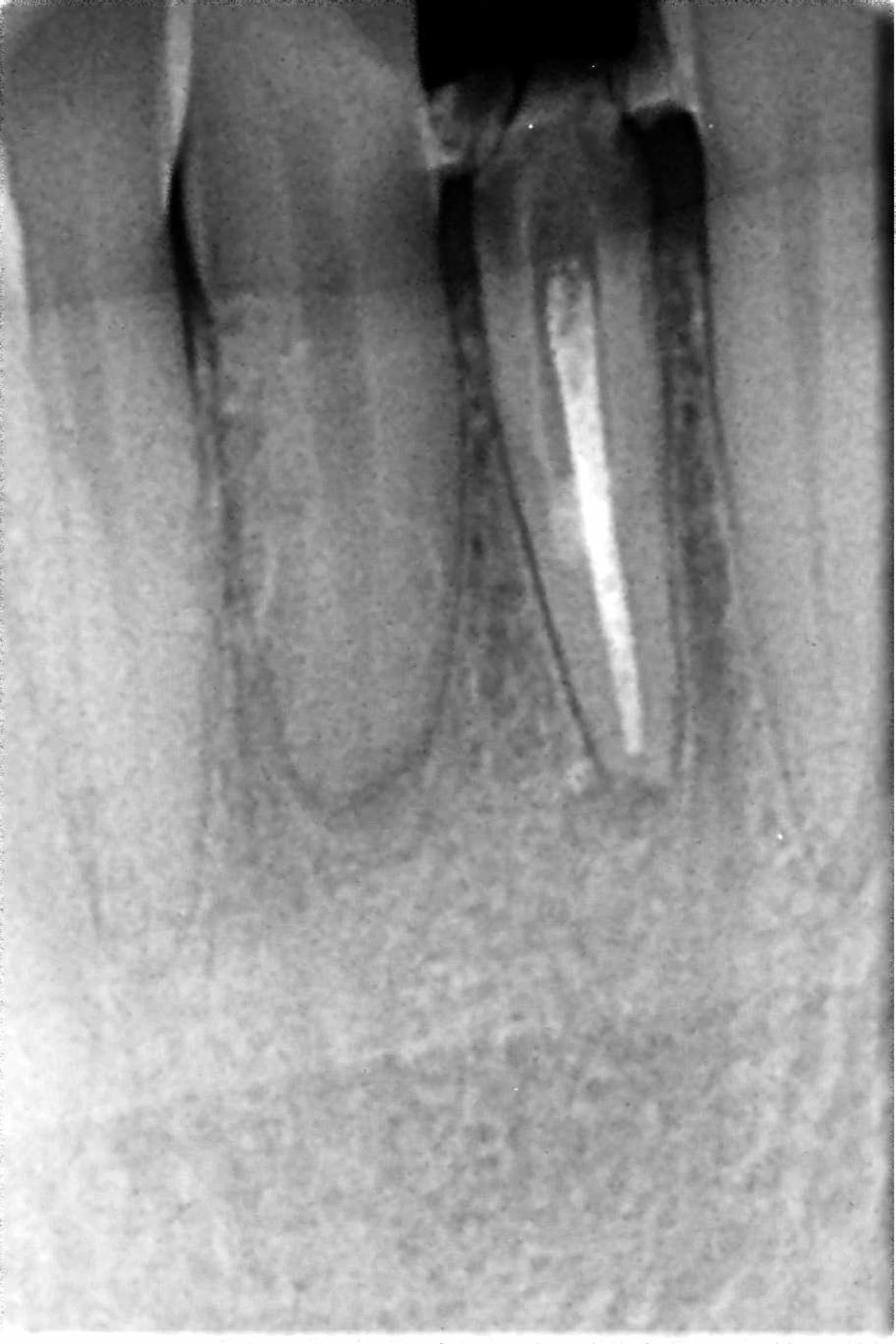
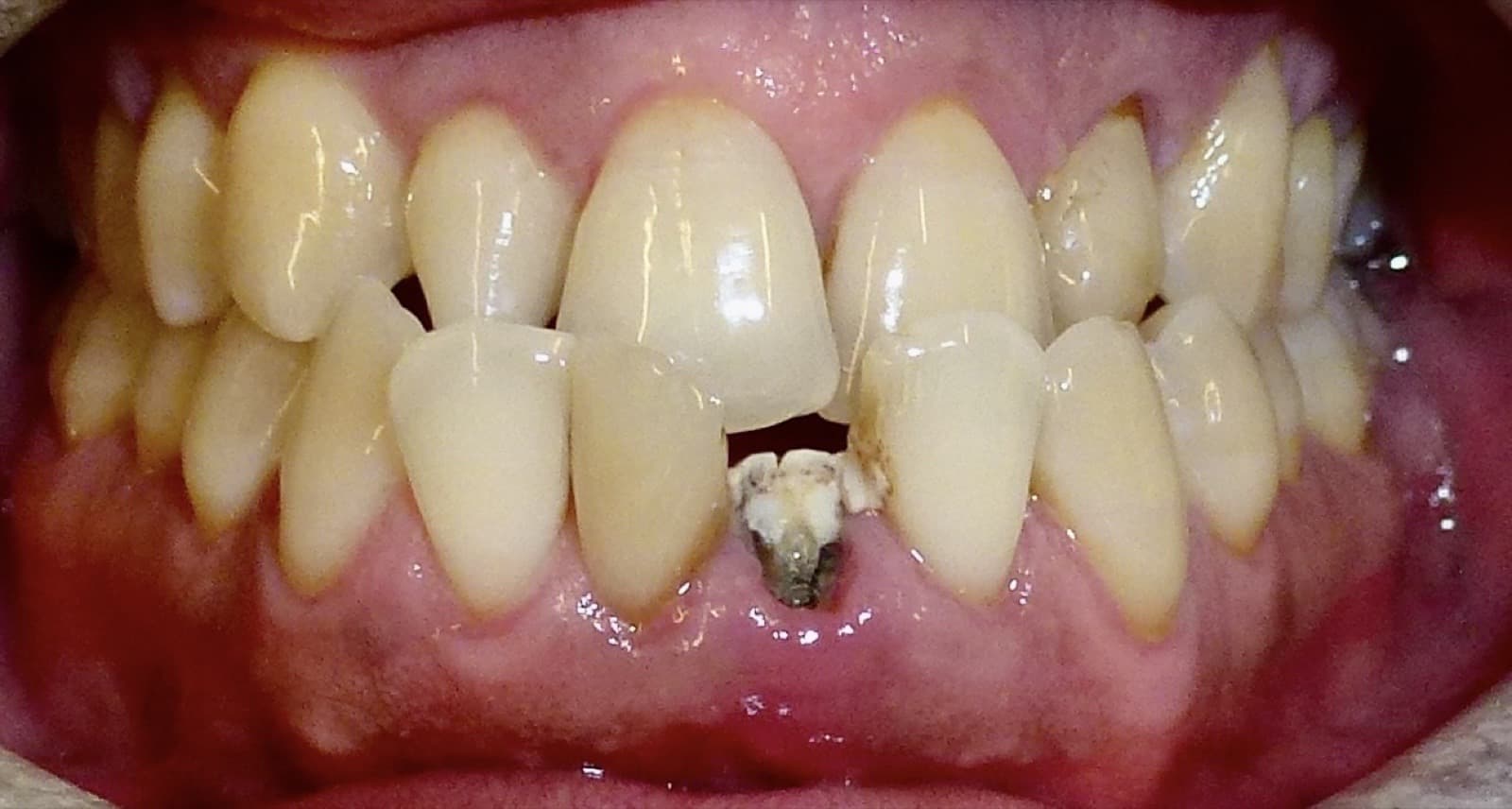
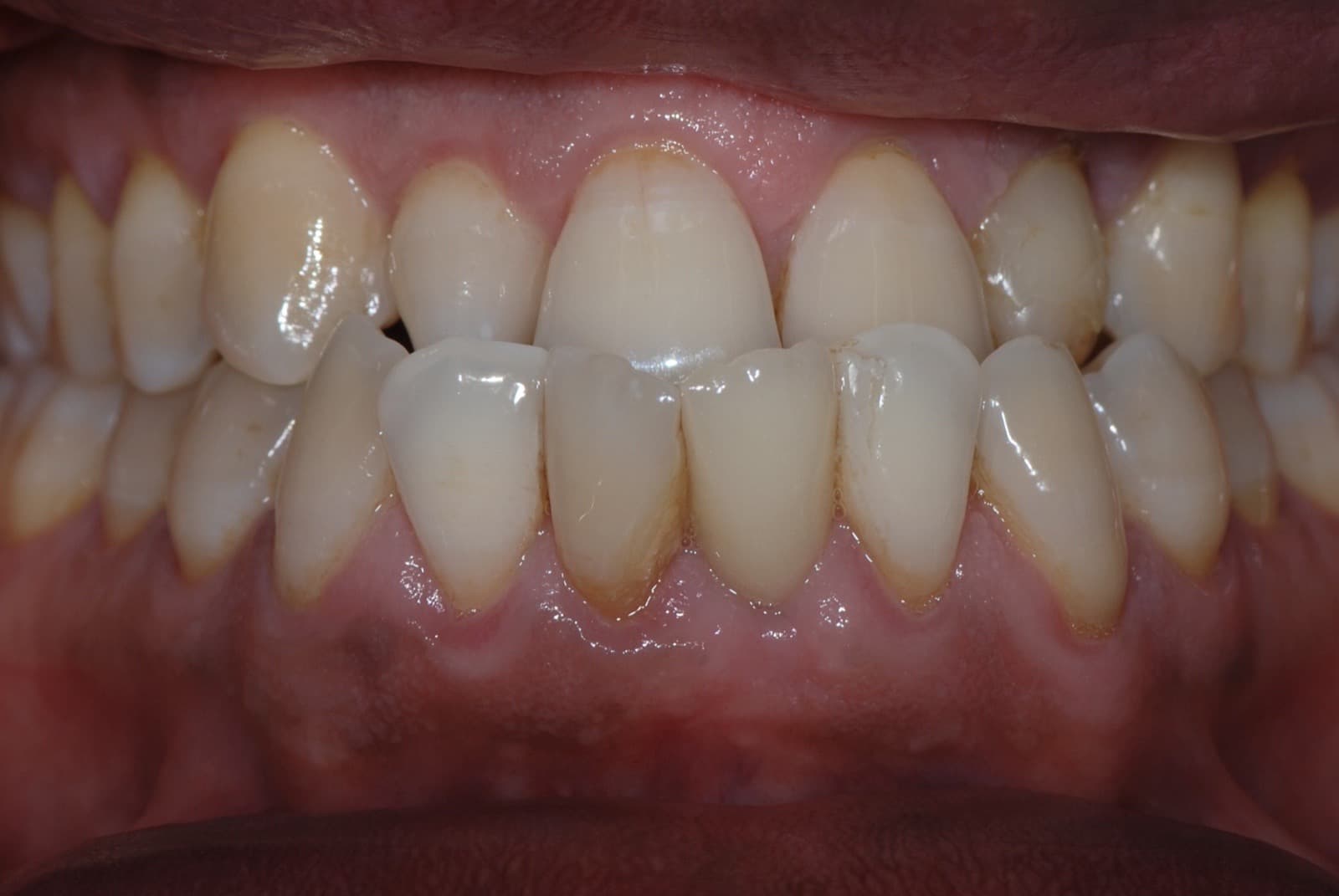
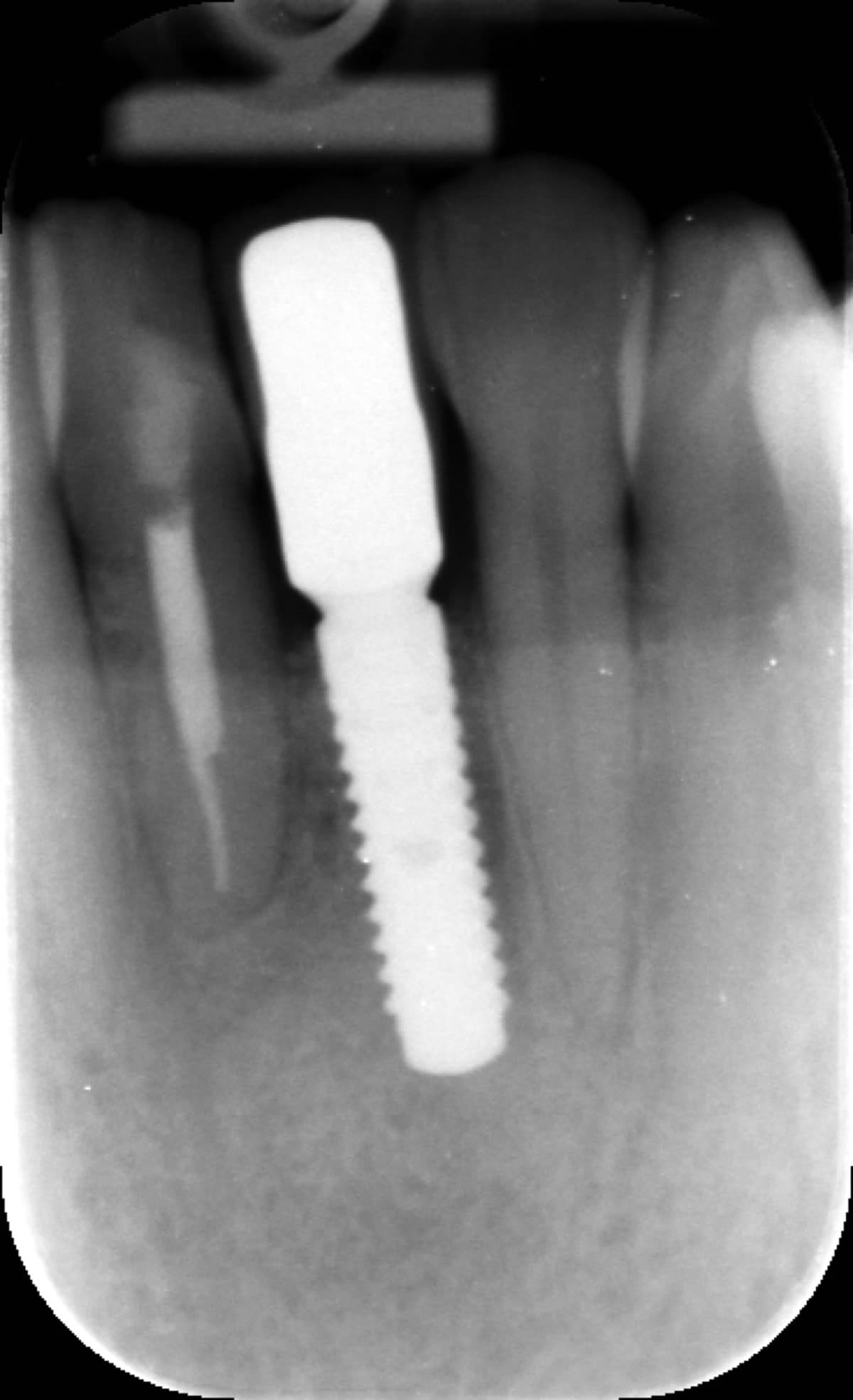
This is one patient's documented treatment and does not show a typical result or predict another patient's outcome. Clinical images are shown with consent.
Additional clinical illustration
A broken upper front tooth was assessed as being beyond predictable repair. It was removed and an implant was placed immediately. The clinical conditions allowed a temporary implant crown to be connected on the day of surgery.
The temporary crown supported appearance during healing. After healing and implant stability had been assessed, treatment proceeded to the definitive implant crown.
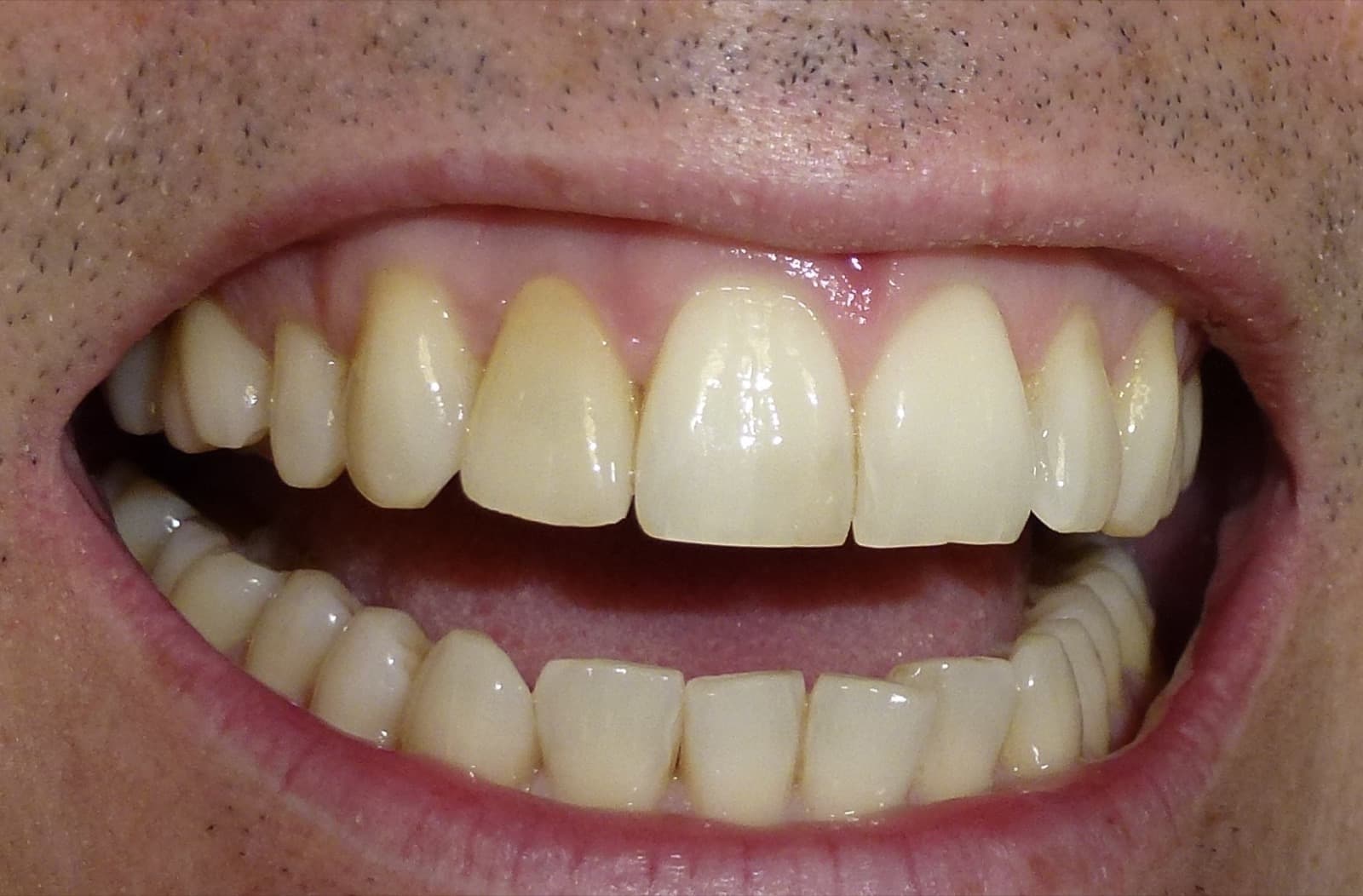
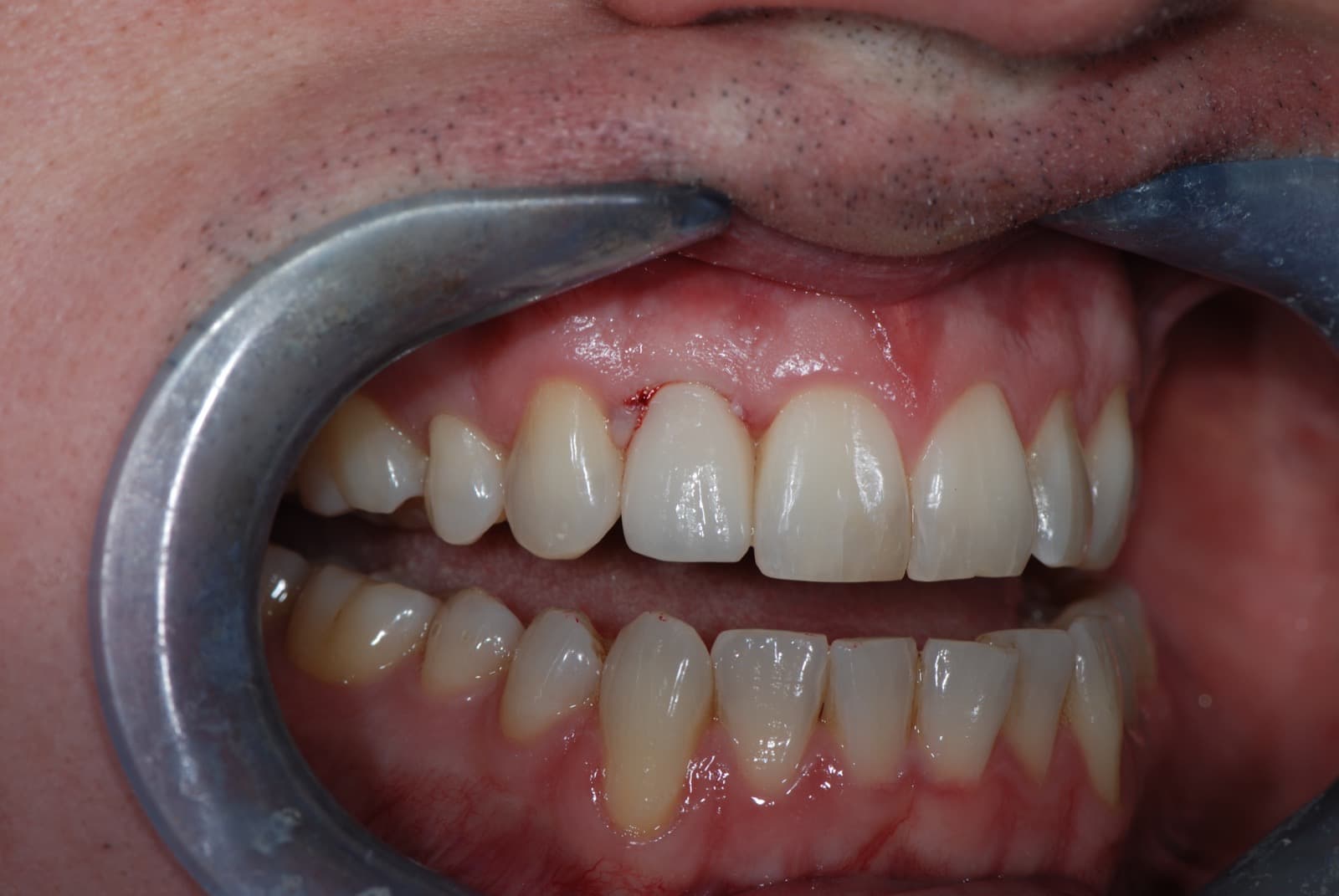
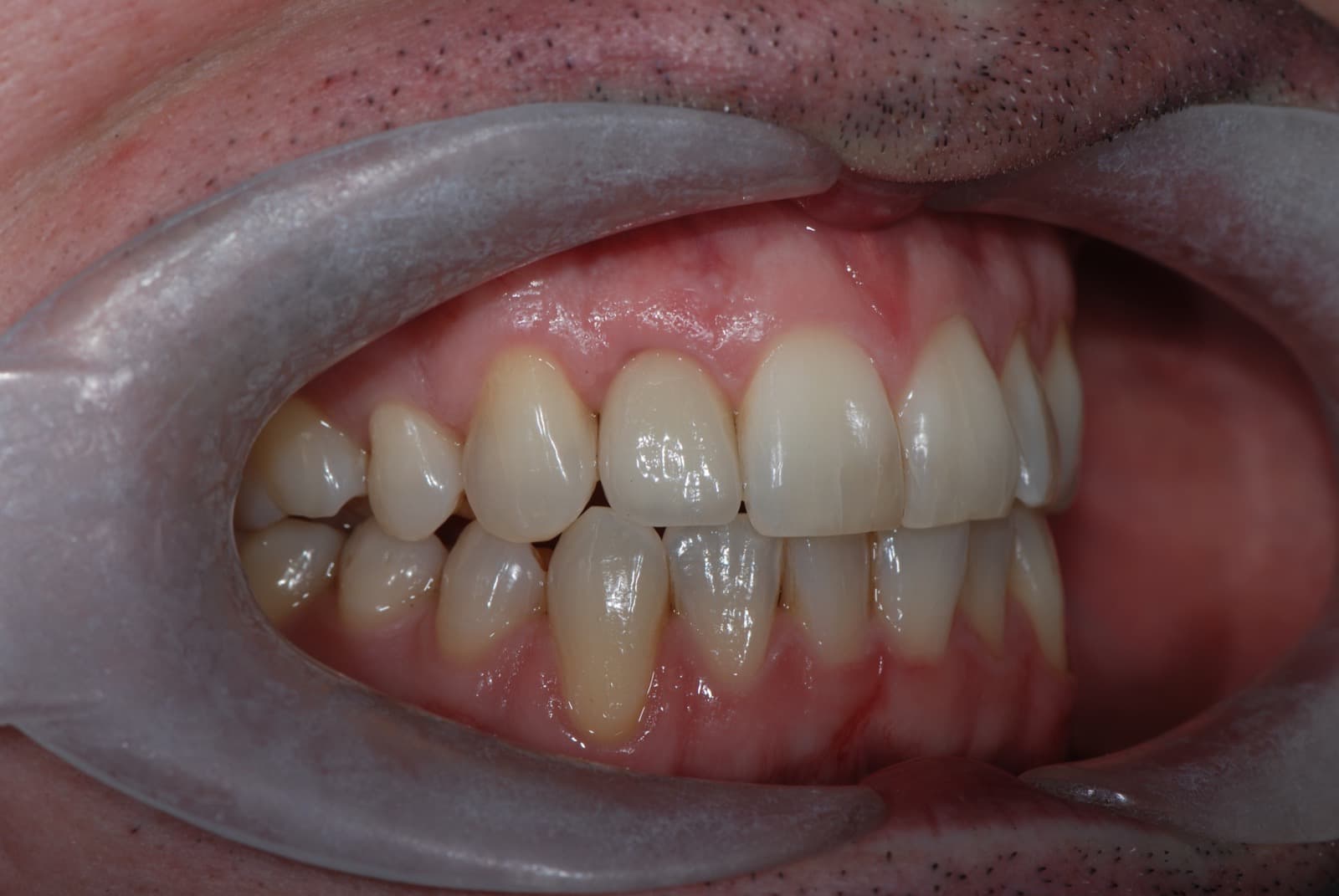
This is one patient's documented treatment and does not show a typical result or predict another patient's outcome. Clinical images are shown with consent.
Three independent practices
Dr Daoudi works as a visiting clinician at Bespoke Smile in Central London, Park Road Dental in Teddington and Smile Design by Ash in Chigwell. Each is an independent dental practice.
Fees vary according to the diagnosis, imaging, surgical and restorative stages, grafting requirements, laboratory work and maintenance needs. Information on this website is not a quotation. You will receive an explanation of the proposed treatment and its costs before proceeding.
Continue exploring
Assessment, treatment choices, risks, healing and long-term maintenance.
Explore dental implant guideTiming, temporary teeth, grafting, crown design and documented cases.
You are reading this guideHow full-arch support, implant distribution and bridge design are assessed.
Explore all-on-4 and all-on-6Why additional bone may be considered, with alternatives and limitations.
Explore bone grafting and sinus liftReal single-tooth, bridge, overdenture and full-arch treatment examples.
Explore documented implant casesRead more about suitability, treatment stages, grafting, maintenance and alternatives to implant treatment.
Explore dental implant questionsAuthor and clinical reviewer
DDS · MSc (Conservative Dentistry, Eastman Dental Institute, UCL) · LDS RCS (Eng) · MFDS RCSEd. Dr Daoudi is registered with the General Dental Council as a dentist and Specialist in Prosthodontics, GDC number 78666.
References were checked during the clinical review on 1 November 2026. This page provides general information and does not replace an individual examination, diagnosis or consent discussion.