Root canal treatment
Remove infection from within the tooth, disinfect the canal system and seal it.

Root canal & tooth preservation
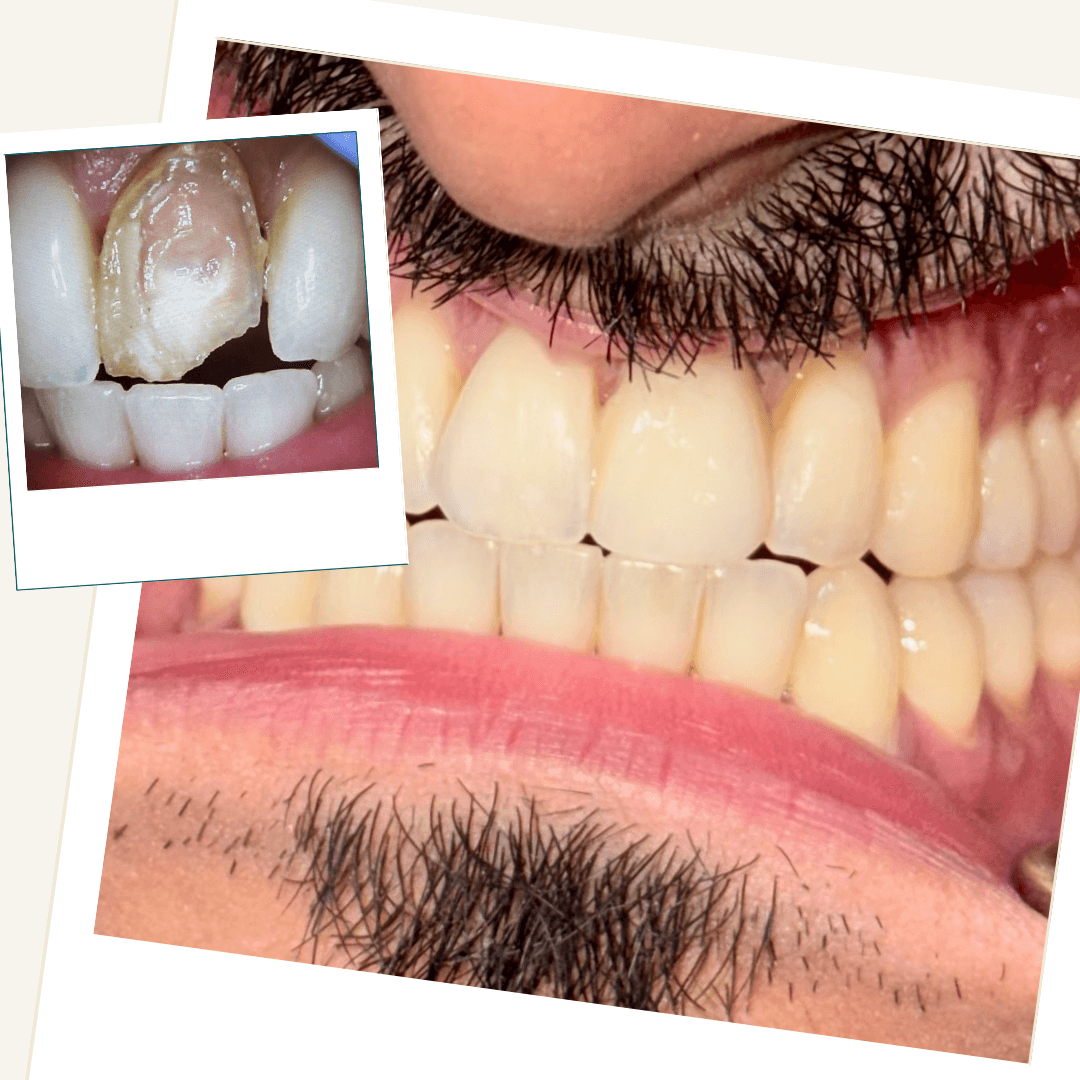
Pain or infection does not always mean a tooth must be removed. Careful diagnosis can identify whether root canal treatment, retreatment and restoration offer a predictable way to preserve it.
Understanding the problem
Infection may develop after decay, trauma, cracks or previous dental treatment. Symptoms can include pain, swelling, tenderness, colour change or a draining gum swelling, although some infections cause few symptoms.
Clinical tests and radiographs help identify the source. The amount of remaining tooth, periodontal support, cracks, previous treatment and restorability all affect prognosis.
What to consider
Remove infection from within the tooth, disinfect the canal system and seal it.
Reassess and treat a tooth where previous root canal care has not resolved the problem.
Magnification can assist with complex anatomy, obstructions and procedural complications.
Bonding, a veneer, onlay or crown may be required to protect and restore the treated tooth.
No treatment can guarantee that every tooth will be saved. Where prognosis is poor, the alternatives—including extraction and replacement—will be explained clearly.
Your care
Assess symptoms, restorability, periodontal health and relevant radiographs.
Compare tooth preservation with monitoring, extraction or replacement.
Complete root canal treatment or retreatment using appropriate isolation and magnification.
Protect the tooth and monitor healing clinically and radiographically.
Prevention & maintenance
Root-filled teeth require appropriate final restoration, daily cleaning and routine professional review. Healing is assessed over time and further intervention is occasionally required.
The root canal and restorative stages may take approximately one month to six weeks, depending on infection, complexity, healing and laboratory stages.
A clear next step
Treatment recommendations follow careful diagnosis and a discussion of benefits, limitations, alternatives, timescale and maintenance.