Visible changes
Teeth appear shorter, flatter, chipped or increasingly uneven.

Tooth wear & restorative dentistry
Tooth wear can change comfort, function and confidence. Early assessment helps identify the causes, monitor progression and protect healthy tooth structure before extensive treatment becomes necessary.
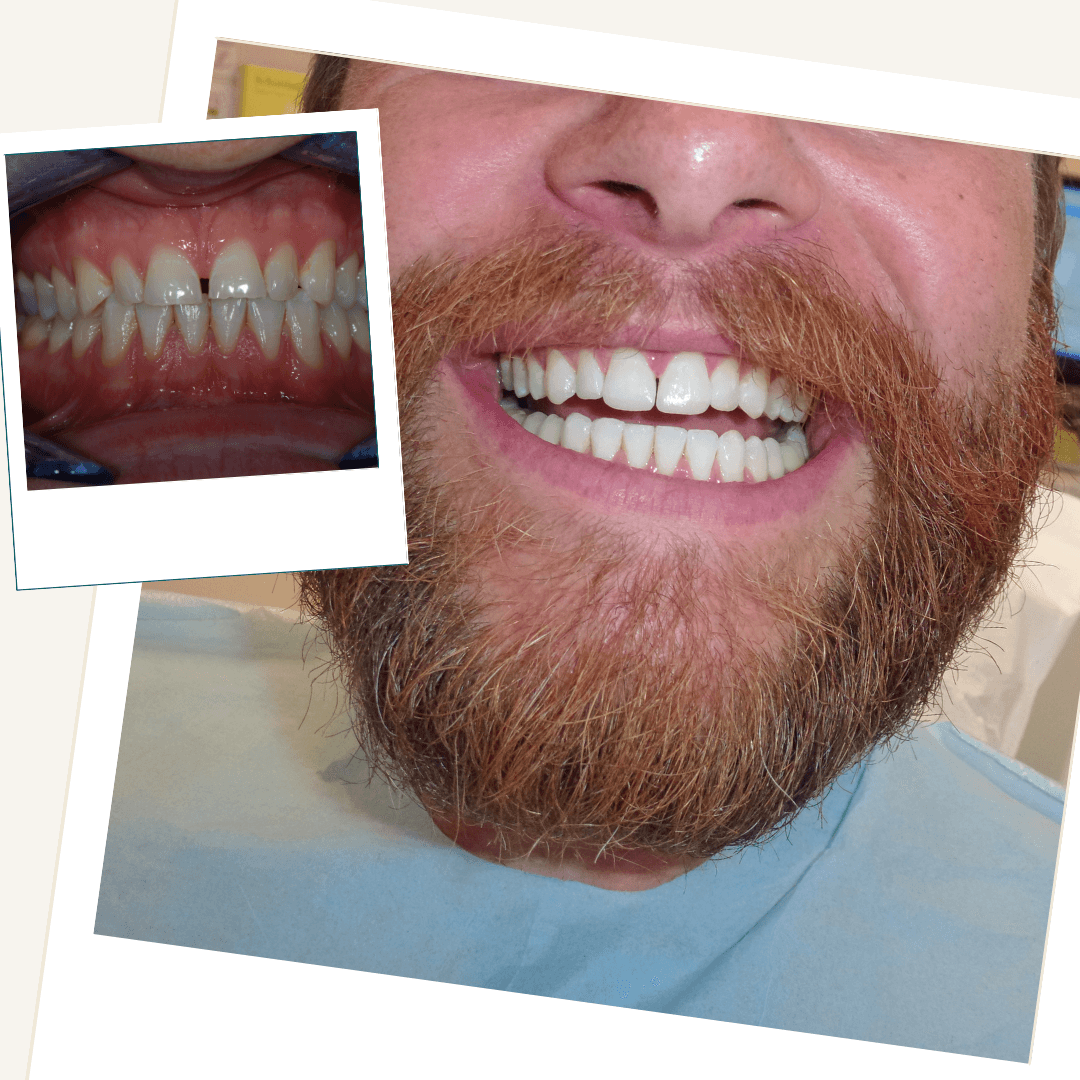
Understanding the problem
Attrition may result from tooth-to-tooth contact associated with grinding or clenching. Erosion involves chemical loss of tooth structure, often from dietary or gastric acids. Abrasion and abfraction may also contribute to localised wear.
Jaw-joint or muscle symptoms can coexist with bruxism, but treatment depends on the individual diagnosis. Digital photographs and digital scans can create repeatable records to help monitor changes in tooth shape and wear progression over time.
What to consider
Teeth appear shorter, flatter, chipped or increasingly uneven.
Cold, heat or sweet foods have started to cause discomfort.
Fillings, crowns or tooth edges repeatedly fracture or fail.
Jaw or facial muscles feel tired after grinding or clenching.
Changes affect eating, speech or confidence.
Your dentist has noticed ongoing or accelerating tooth wear.
Not all tooth wear requires extensive treatment. Early assessment can help identify contributing factors, monitor progression and prioritise prevention before restorative care is considered.
Your care
Record the pattern, severity, bite, symptoms and likely causes using examination, photographs and digital scans where appropriate.
Address acid exposure, habits, oral health and protective strategies.
Use monitoring, trial changes or provisional restorations where appropriate.
Bonding, onlays, crowns or veneers may be considered according to need.
Prevention & maintenance
Prevention may include dietary advice, management of gastric acid exposure with the appropriate medical professional, fluoride strategies and monitoring.
A biteguard may be advised for grinding or clenching. Cosmetic and restorative cases commonly require professional maintenance every four to six months, adjusted to individual risk.
A clear next step
Treatment recommendations follow careful diagnosis and a discussion of benefits, limitations, alternatives, timescale and maintenance.