Uncertain diagnosis
Symptoms persist or different explanations have been suggested.
Prosthodontic assessment & second opinions
When a problem is difficult, previously treated or involves several possible solutions, an independent prosthodontic assessment can provide clarity before further treatment.
Understanding the problem
Complex problems may involve several teeth, failing restorations, implants, persistent pain, previous root canal treatment, tooth wear or uncertainty about competing treatment plans.
The purpose of a second opinion is to establish the diagnosis, explain prognosis and compare reasonable options—not to assume that extensive treatment is required.
What to consider
Symptoms persist or different explanations have been suggested.
A crown, root canal, implant or reconstruction requires reassessment.
You want to understand relative benefits, risks and maintenance before deciding.
A staged independent review can help confirm priorities and alternatives.
A consultation may result in monitoring, prevention, a simpler treatment plan, referral to an appropriate clinician or confirmation that the proposed treatment is appropriate.
Your care
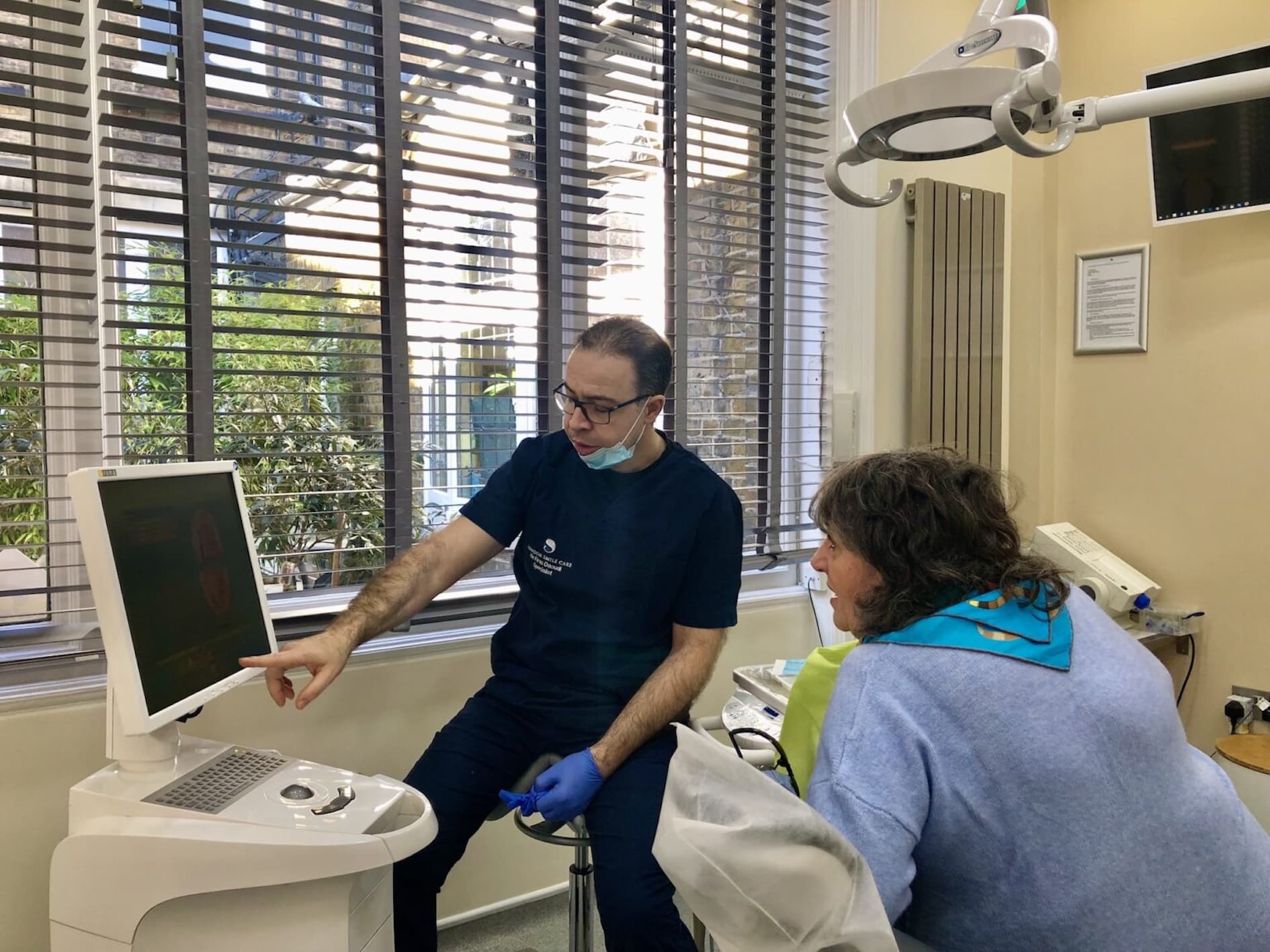
Understand the history, symptoms, concerns and decisions you are facing.
Review clinical findings, images, records and previous treatment where available.
Set out diagnosis, prognosis, uncertainties and reasonable options in plain language.
Provide recommendations, a written report or liaison with your dentist as appropriate.
Prevention & maintenance
Recommendations consider not only what can be done, but what can be maintained predictably. Existing disease and risk factors are addressed before complex restorative treatment.
Follow-up intervals depend on the diagnosis. Shared care with your general dentist, hygienist or another appropriate clinician may be recommended.
A clear next step
Treatment recommendations follow careful diagnosis and a discussion of benefits, limitations, alternatives, timescale and maintenance.